The modeling industry is experiencing a seismic shift—one that's long overdue and absolutely necessary. For decades, the definition of beauty in fashion was frustratingly narrow: tall, thin, young, and predominantly white. But today, we're witnessing a beautiful transformation as agencies, brands, and consumers collectively reject these outdated standards in favor of authentic representation.
This isn't just about political correctness or checking diversity boxes. It's about finally recognizing what should have always been obvious: beauty exists in infinite forms, across all body types, ages, ethnicities, gender identities, and abilities. The revolution happening now isn't creating diversity—it's simply acknowledging and celebrating what has always existed in the real world.
The Evolution: From Token Representation to Genuine Inclusion
Let's be honest about where we've been. For too long, diversity in modeling was performative—one model of color in a sea of sameness, perhaps a plus-size model for a "special" campaign, maybe an older face for that single "age-defying" beauty ad. These token gestures were insulting, transparent, and ultimately harmful because they suggested diversity was something brands tolerated rather than celebrated.
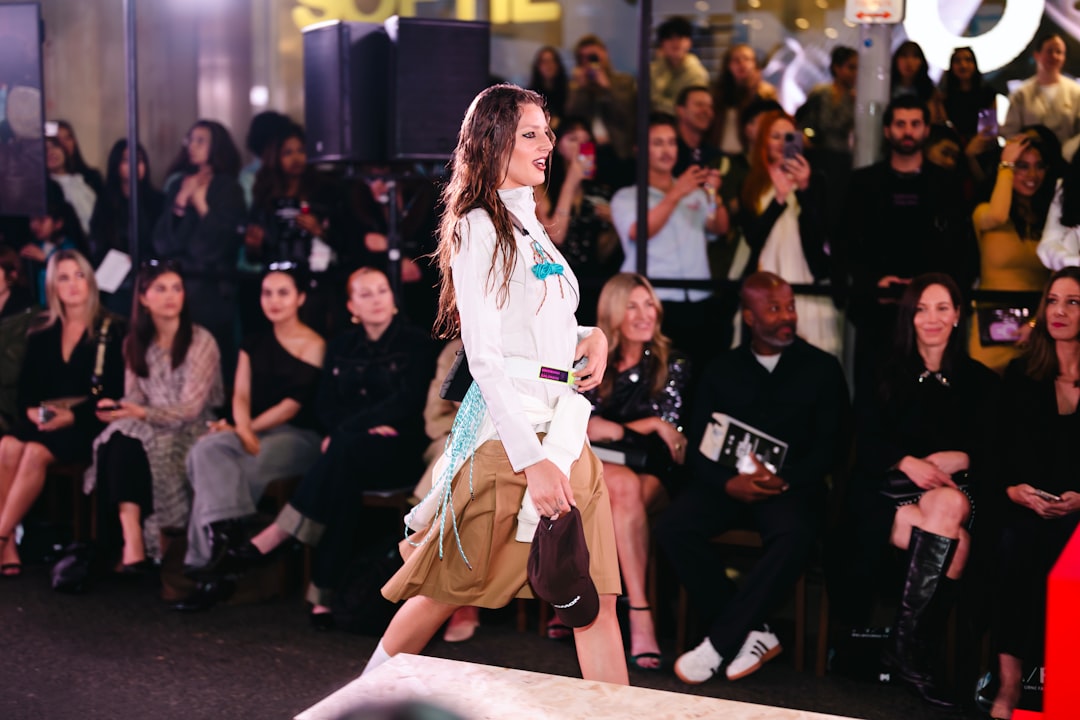
What's different now is the depth and authenticity of change. Major campaigns genuinely reflect the diversity of their audiences. Runways showcase models of different sizes walking alongside traditional fashion models, and it doesn't feel forced—it feels right. Brands are hiring models with vitiligo, limb differences, Down syndrome, and visible disabilities, not as inspiration porn but as legitimate fashion talent who happen to have unique characteristics.
Age: Redefining What "Model Age" Means
The youth obsession in modeling is crumbling, and thank goodness for that. We're seeing women in their 50s, 60s, and beyond gracing magazine covers and leading campaigns for major brands. These aren't "aging gracefully" stories treating older models as curiosities—these are straightforward fashion editorials acknowledging that style, elegance, and beauty don't expire at 25.
This shift reflects demographic reality: Baby Boomers and Gen X have significant purchasing power and want to see themselves represented. But more importantly, it reflects cultural maturity. We're finally understanding that the laugh lines earned through decades of smiling, the silver hair that comes with wisdom, and the confidence that develops with age are genuinely beautiful—not in spite of age, but because of the life lived.
Body Diversity: Beyond the Plus-Size Label
The body positivity movement has fundamentally challenged fashion's relationship with size. What started as a grassroots rebellion against unrealistic body standards has become mainstream acceptance that bodies come in countless shapes and sizes, all equally worthy of fashion, beauty, and representation.
Progressive agencies are moving away from segregating models into rigid categories. Instead of "straight size" versus "plus size," we're seeing more fluid approaches that recognize body diversity exists on a spectrum. A model is simply a model—their size, height, or shape is a characteristic, not a limitation or specialty.
Health Over Harmful Standards
Perhaps most importantly, the industry is beginning to prioritize model health over adherence to dangerously restrictive standards. Some countries have implemented laws requiring models to meet minimum BMI requirements and provide health certificates. While imperfect, these regulations signal a crucial shift: glamorizing unhealthy body standards is no longer acceptable.
Responsible agencies now have nutritionists and wellness counselors available to their talent. Contracts increasingly include clauses about healthy working conditions. The days of models starving themselves to fit into sample sizes are (slowly but surely) becoming history as brands finally adjust sample sizes rather than demanding models adjust their bodies.
Ethnic and Racial Diversity: Truly Global Beauty
The modeling industry's historical Eurocentrism is finally being challenged and dismantled. We're seeing more models of African, Asian, Latin American, and Middle Eastern descent not just in niche campaigns targeting specific demographics, but in mainstream high-fashion editorials and luxury brand campaigns.
This matters profoundly. When a young Black girl can see herself in a major beauty campaign without her features being exoticized or her hair being styled to conform to Eurocentric standards, it sends a powerful message: you belong here exactly as you are. When an Asian model appears in a campaign without the narrative centering on her ethnicity, it normalizes rather than others.
Cultural Authenticity Matters
As the industry diversifies, there's growing awareness that representation must come with cultural sensitivity and authenticity. It's not enough to cast diverse models if the creative team lacks diversity or cultural competence. We're seeing more models speaking up about cultural appropriation, demanding authentic representation rather than superficial aesthetic borrowing.
Hair stylists who understand textured hair, makeup artists trained to work with all skin tones, photographers who know how to light different complexions—these aren't luxuries but necessities for authentic representation. Agencies and brands that fail to provide these basics are being called out, and rightly so.
Gender Identity and Expression: Breaking the Binary
The traditional gender binary in modeling is dissolving. Androgynous models, transgender models, and non-binary models are increasingly visible in campaigns and on runways. Men's fashion is exploring aesthetics previously coded as feminine; women's fashion is embracing traditionally masculine elements. This fluidity reflects broader cultural conversations about gender and allows for more authentic self-expression.
Transgender models like Valentina Sampaio becoming the first openly trans model for Victoria's Secret, or Munroe Bergdorf's high-profile campaigns, represent meaningful progress. But true inclusion means trans and non-binary models being cast simply as models, not because their gender identity is the story, but despite— or alongside—it being just one aspect of who they are.
Disability Representation: Visibility and Normalization
Models with visible and invisible disabilities are finally gaining representation in mainstream fashion. Wheelchair users, models with limb differences, those with Down syndrome, facial differences, and chronic illnesses are appearing in campaigns that position them simply as fashionable people, not as inspirational figures or symbols.
This normalization matters immensely. When a child with a disability can see someone who looks like them in a fashion ad, it communicates belonging. It says: you're not an afterthought or a special case—you're part of the beautiful diversity of humanity, and fashion is for you too.
Why This Matters: The Business Case and Beyond
Some cynically view this diversity push as purely commercial—brands responding to consumer pressure and chasing profits. And yes, diverse representation is good business. Studies consistently show that authentic representation increases brand loyalty, especially among younger consumers who expect—demand, really—that brands reflect their values.
But reducing this to mere capitalism misses the profound human impact. Every person who finally sees themselves represented in fashion and beauty spaces experiences validation that shouldn't be underestimated. Representation affects how we see ourselves, how we're seen by others, and what possibilities we imagine for our lives.
The Ripple Effect
Changes in modeling influence beauty standards broadly. When runway shows feature diverse bodies, it affects what people consider beautiful, aspirational, and normal. When advertising consistently shows people who look like actual consumers rather than unattainable ideals, it gradually shifts cultural beauty standards toward greater inclusivity and realism.
Challenges That Remain
Despite progress, significant work remains. Diversity often stops at visual appearance without extending to behind-the-camera roles—photographers, creative directors, stylists, and decision-makers are still predominantly white and cisgender. Pay equity remains an issue, with models of color and plus-size models often earning less than their straight-size white counterparts.
Tokenism persists, with brands treating diversity as a marketing tool rather than genuine value. Some companies feature diverse models in advertising but maintain discriminatory practices in hiring, promotion, or treatment of models. Superficial diversity without systemic change is inadequate and ultimately insulting.
Our Commitment at Elite Allure Models
At our agency, diversity isn't a trend we're following—it's foundational to who we are. Dubai's remarkable multicultural environment makes authentic diversity natural and necessary. Our roster reflects genuine diversity across ethnicity, age, size, and identity because that's what our city and our values demand.
We actively seek talent that mainstream agencies might overlook. We provide support, development, and opportunities to models of all backgrounds. We work exclusively with brands and clients who share our commitment to authentic representation. And we speak up when we witness discrimination or tokenism in the industry.
Conclusion: The Future Is Beautifully Diverse
The transformation happening in modeling isn't complete, but it's undeniable. We're moving—sometimes slowly, occasionally with backsliding, but ultimately forward—toward an industry that finally reflects the beautiful diversity of humanity.
This benefits everyone. When beauty standards expand, people of all backgrounds experience less pressure to conform to impossible ideals. When we see diverse representations of beauty, we develop healthier relationships with our own appearances. When models of all types work successfully, it creates opportunities and pathways that previously didn't exist.
The future of modeling is diverse not because it's trendy, politically correct, or good marketing—though it may be all those things. It's diverse because diversity is truth. It's how the world actually looks. And fashion, at its best, should reflect, celebrate, and elevate the real world in all its magnificent variety.